Cybernetic Revolutionaries
by Eden (Associate Professor of Informatics Medina
Title:
Cybernetic Revolutionaries
Author:
Eden (Associate Professor of Informatics Medina
Series (if any):
The MIT Press
Format:
Paperback
Number of pages:
342 pages, 17 b&w photos, 24 b&w illus., 2 tables; 19 Illustrations
Publisher:
MIT Press Ltd
ISBN-13:
9780262525961
EAN:
9780262525961
Publication Date:
10/01/2014
Classifications:
Research and information: general
Weight (g):
614
Dimensions (mm):
227 x 177 x 18
Publication Country:
United Kingdom
Language:
English
Condition:
New
Price:£33.66
5 copies in stock
Qty

Description
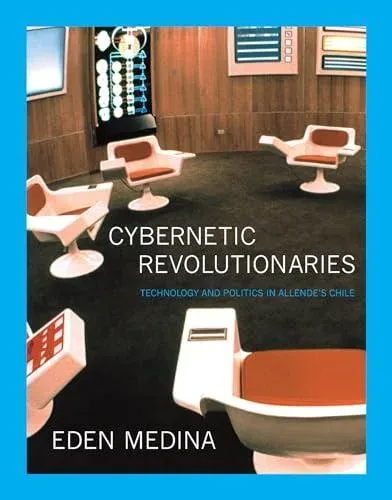
A historical study of Chile''s twin experiments with cybernetics and socialism, and what they tell us about the relationship of technology and politics.In Cybernetic Revolutionaries, Eden Medina tells the history of two intersecting utopian visions, one political and one technological. The first was Chile''s experiment with peaceful socialist change under Salvador Allende; the second was the simultaneous attempt to build a computer system that would manage Chile''s economy. Neither vision was fully realized—Allende''s government ended with a violent military coup; the system, known as Project Cybersyn, was never completely implemented—but they hold lessons for today about the relationship between technology and politics.Drawing on extensive archival material and interviews, Medina examines the cybernetic system envisioned by the Chilean government—which was to feature holistic system design, decentralized management, human-computer interaction, a national telex network, near real-time control of the growing industrial sector, and modeling the behavior of dynamic systems. She also describes, and documents with photographs, the network''s Star Trek-like operations room, which featured swivel chairs with armrest control panels, a wall of screens displaying data, and flashing red lights to indicate economic emergencies.Studying project Cybersyn today helps us understand not only the technological ambitions of a government in the midst of political change but also the limitations of the Chilean revolution. This history further shows how human attempts to combine the political and the technological with the goal of creating a more just society can open new technological, intellectual, and political possibilities. Technologies, Medina writes, are historical texts; when we read them we are reading history.
Books in the same Series
Becoming Fluent
Roger (Associate Dean and Professor Kreuz
£18.27
Course in Semantics
Roger (Professor Schwarzschild
£43.86

Memoirs of a Space Traveler
Stanislaw Lem
£14.78

Return from the Stars
Stanislaw Lem
£20.01
Grammar as Science
Richard K. (Professor Larson
£58.14
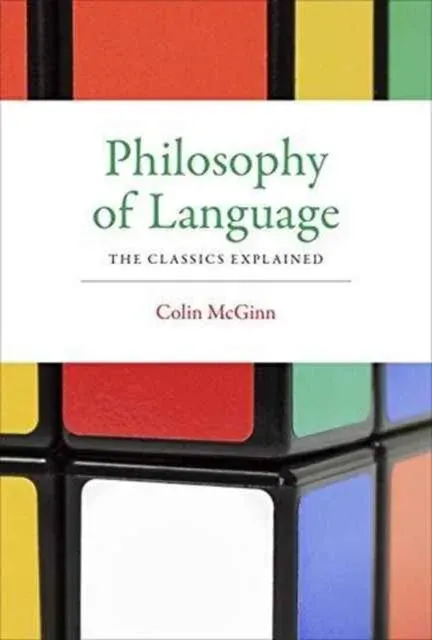
Philosophy of Language
Colin McGinn
£32.64
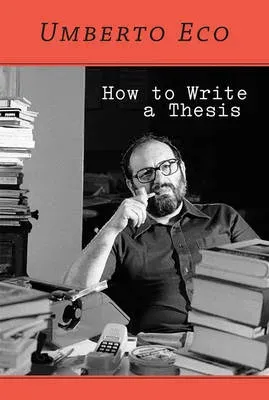
How to Write a Thesis
Umberto Eco
£18.27

His Master's Voice
Stanislaw Lem
£15.65
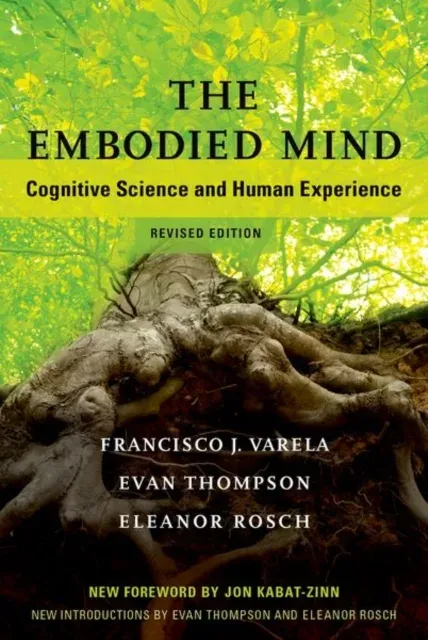
Embodied Mind
Eleanor Rosch
£33.66

Sources of Power
Gary A. (Dr.) Klein
£26.10
Books under Research and information: general
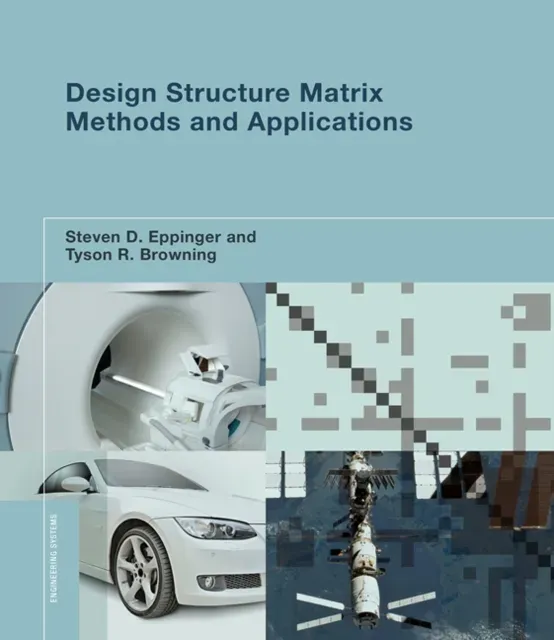
Design Structure Matrix Methods and Applications
Tyson R. (Associate Professor of Operations Management Browning
£53.04
Decision-Making Under Stress
Lynne Martin
£225.59

Introduction to Research Methods and Data Analysis in Psychology
Gareth Hagger-Johnson
£76.25
Social Work Dissertation: Using Small-Scale Qualitative Methodology
Malcolm Carey
£34.79
Reengineering the Survey of Income and Program Participation
£61.43
Elements of Information Theory
Joy A. (IBM T. J. Watson Research Center Thomas
£115.82

Introduction to Qualitative Research Synthesis
Maggi (University of Coventry Savin-Baden
£44.39

Qualitative Research in the Health Sciences : Methodologies, Methods and Processes
Bev Taylor
£65.99

Wiley Encyclopedia of Operations Research and Management Science, 8 Volume Set
John Wiley & Sons Inc
£3,308.34
Research and Fieldwork in Development
Mark Graham
£91.19